
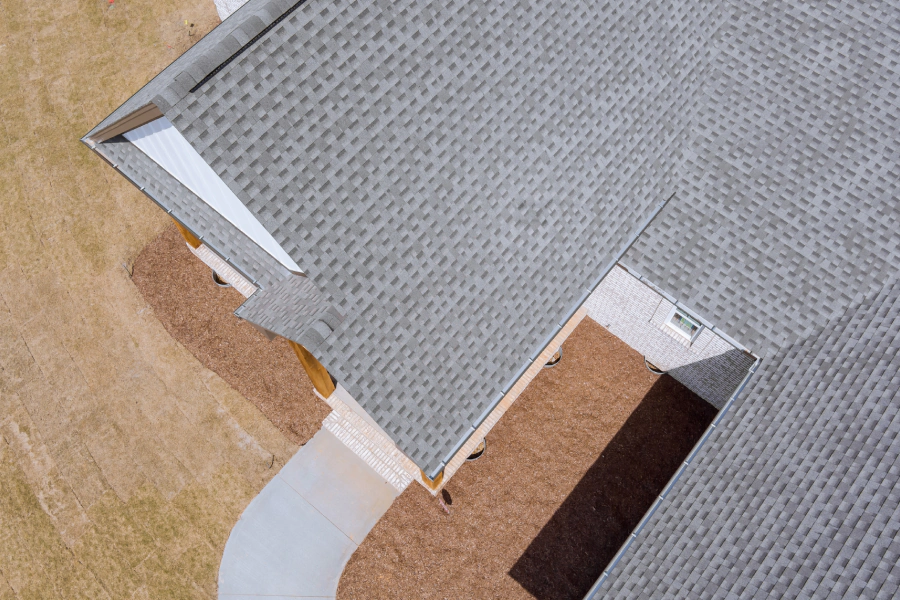
Understanding When a Roof Needs to Be Replaced
One of the biggest challenges homeowners face is recognizing when does a roof need to be replaced rather than simply repaired. While small issues can often be fixed, there comes a point where repairs are no longer cost-effective.
Here are the most common warning signs:
1. Age of the Roof
Every roofing material has a lifespan:
- Asphalt shingles: 15–30 years
- Metal roofing: 40–70 years
- Tile or slate: 50–100+ years
If your roof is nearing the end of its expected lifespan, it’s time to start planning for replacement even if there are no visible issues yet.
2. Missing or Damaged Shingles
Shingles that are curling, cracking, or missing are clear signs of wear. This often means your roof is no longer providing full protection.
3. Leaks and Water Damage
Water stains on ceilings or walls are strong indicators that your roof has been compromised. Even small leaks can signal larger hidden problems.
4. Sagging Roof Structure
A sagging roof is a serious structural issue. This often indicates moisture damage or weakened supports and requires immediate attention.
5. Granules in Gutters
If you notice asphalt granules collecting in your gutters, your shingles are breaking down and losing their protective layer.
Understanding these signs helps you determine when it is time to replace a roof before damage spreads further into your home.
When Is It Time to Replace a Roof?
Many homeowners delay replacement because they are unsure if the timing is right. However, waiting too long can increase costs significantly.
You should strongly consider replacement when:
- Repairs are becoming frequent and costly
- Multiple areas of the roof are failing
- Energy bills are rising due to poor insulation
- You are preparing to sell your home
A good rule of thumb: if repair costs exceed 30% of replacement cost, replacement is usually the better investment.
Best Time to Replace a Roof
Choosing the best time to replace a roof can make a big difference in cost, efficiency, and installation quality.
1. Spring and Early Summer
These seasons are ideal because of mild temperatures and stable weather conditions. Roofing materials seal properly, and installation crews can work efficiently.
2. Early Fall
Fall is another excellent option. Cooler weather allows for safe working conditions and reliable sealing before winter arrives.
3. When to Avoid Roof Replacement
- Winter (cold temperatures can affect shingle sealing)
- Rainy or storm-heavy seasons
- Extreme heat periods (can soften materials and slow installation)
Planning ahead helps you avoid delays and ensures a smoother roofing project.
Roof Replacement Guide: What to Expect
A proper roof replacement guide helps homeowners understand the process from start to finish so there are no surprises.
Step 1: Roof Inspection
A professional inspection determines the condition of your roof and whether repair or replacement is needed.
Step 2: Material Selection
Homeowners choose from materials like asphalt shingles, metal, tile, or architectural shingles based on budget and durability needs.
Step 3: Removal of Old Roof
The existing roof is stripped down to the decking to inspect for hidden damage.
Step 4: Repairs and Preparation
Any damaged wood or structural issues are repaired before installation begins.
Step 5: Installation of New Roof
The new roofing system is installed, including underlayment, flashing, and shingles.
Step 6: Final Inspection
A final review ensures everything is properly installed and sealed.
Understanding this process helps reduce stress and ensures you know what to expect at every stage.
Factors That Affect Roof Lifespan
Several factors influence when should I replace my roof, including:
1. Weather Conditions
Heavy rain, strong winds, and extreme temperatures can shorten roof lifespan.
2. Installation Quality
Poor installation can lead to early failure, even with high-quality materials.
3. Maintenance Routine
Regular cleaning, inspections, and minor repairs extend roof life significantly.
4. Ventilation and Insulation
Proper airflow prevents moisture buildup and heat damage.
Common Mistakes Homeowners Make
When trying to decide when to replace a roof, homeowners often make avoidable mistakes:
- Waiting too long for replacement
- Choosing repairs instead of replacement when damage is widespread
- Ignoring small leaks or stains
- Hiring unqualified contractors
Avoiding these mistakes can save thousands in future repair costs.
Tips for a Successful Roof Replacement
To ensure a smooth project, keep these tips in mind:
- Schedule inspections regularly
- Plan replacement before major damage occurs
- Choose materials based on climate and durability
- Hire experienced roofing professionals
- Ask about warranties and guarantees
A well-planned project ensures long-term protection and peace of mind.
Final Thoughts
Understanding when to replace a roof is essential for protecting your home, preventing costly damage, and maintaining property value. By recognizing early warning signs, planning for the best time to replace a roof, and following a reliable roof replacement guide, homeowners can avoid unnecessary stress and expenses.
If you’re unsure when is it time to replace a roof, a professional inspection is always the safest first step. Making informed decisions today can save you from major repairs tomorrow—and ensure your home stays safe, secure, and protected for years to come.
