Structural Repair After High-Wind Events
Wind Damage Restoration in Nashville for Roofs with Uplift and Edge Failure
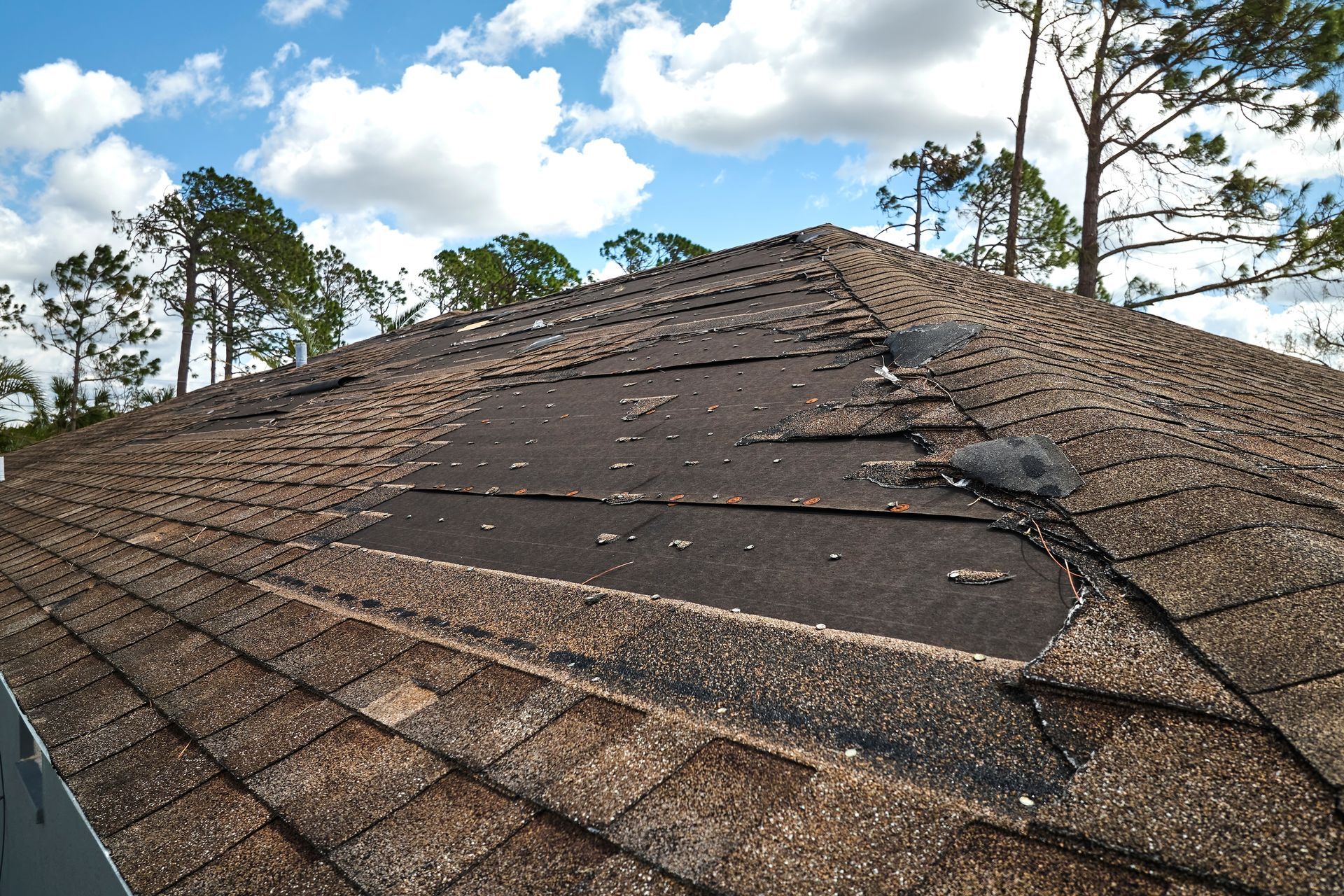
Seasonal high-wind events across Middle Tennessee create uplift forces that separate shingles from deck surfaces, tear flashing away from valleys and walls, and expose underlayment to direct weather contact. Mockingbird Roofing LLC restores wind-damaged roofs in Franklin, Brentwood, Mount Juliet, and Forest Hills using structural assessment that identifies compromised deck sections and material-matched replacement following manufacturer-spec fastening patterns for regional wind load codes. Older residential neighborhoods show particular vulnerability to edge failure where sealant strips age and wind catches shingle tabs, lifting entire rows before tearing them free during gusts.
Wind damage restoration starts with attic inspection to detect structural compromise—cracked rafters, separated sheathing panels, or deck sagging that indicates impacts beyond surface shingle loss. The process then addresses lifted materials that haven't torn completely, flashing separation at chimneys and walls, and fastening failures where original installation used inadequate nail patterns for Nashville wind exposure.
Schedule a structural assessment after windstorms to identify damage before follow-up weather events worsen initial failures..
What Changes After Wind Restoration Completes
Restoration replaces compromised sections using wind-rated shingles installed with enhanced fastening patterns—six nails per shingle in high-wind zones rather than standard four-nail application—creating resistance to uplift forces during future storm events. The work includes resealing all flashing connections, replacing damaged drip edge where wind tore metal free, and securing ridge caps with mechanical fasteners rather than relying solely on adhesive strips.
After restoration, your roof shows no lifted shingle edges, all flashing sits flush against surfaces it protects, and material warranties tied to wind-rated products provide coverage for future damage up to specified wind speeds. Insurance claim process navigation means documentation supports coverage decisions, material specifications show replacement quality, and work proceeds on timelines coordinated with claim approval rather than waiting weeks for adjuster schedules to align.
The assessment separates visible wind damage from hidden structural issues, a distinction that matters because insurance coverage often extends to framing repairs when wind forces exceed design thresholds. Material selection focuses on products rated for Nashville wind exposure rather than minimum-code options that meet installation standards but fail faster during seasonal storms..
Questions Before Starting Your Project
Homeowners facing wind damage restoration typically want to understand what assessment involves, how repair differs from replacement, and what documentation insurance adjusters require.
What does attic inspection reveal about wind damage?
Interior examination shows whether wind forces caused deck separation, rafter cracking, or sheathing panel movement—structural issues invisible from roof surface that affect repair approach and insurance claim scope beyond simple shingle replacement.
How do fastening patterns affect wind resistance?
Wind-rated installation uses six nails per shingle in perimeter zones and ridge areas where uplift forces concentrate, compared to standard four-nail patterns, creating mechanical hold that resists gusts up to product-specified wind speeds for Middle Tennessee conditions.
Can wind damage be repaired without full roof replacement?
Localized restoration works when damage affects specific sections and surrounding materials retain adequate sealant bond and granule protection, but widespread uplift often indicates aging materials vulnerable to progressive failure during future wind events.
What wind-rated products does restoration use in Nashville?
Replacement materials carry wind resistance ratings appropriate for local building codes, typically Class H impact resistance and wind speed ratings matching regional exposure maps that account for Franklin, Brentwood, and Mount Juliet storm patterns.
How does insurance claim assistance work for wind damage?
Mockingbird Roofing LLC documents lifted shingles, flashing separation, and structural compromise with photos and measurements adjusters use to evaluate coverage, then coordinates material orders and work schedules with claim approval timelines to prevent installation delays.
Mockingbird Roofing LLC handles wind damage restoration across Franklin, Brentwood, Mount Juliet, and Forest Hills with structural assessment and insurance claim support included from initial evaluation through final material installation. Request a post-storm inspection to document wind-caused failures and begin restoration planning while damage evidence remains clear for adjuster review.